
PLUG FLOW Multi-Feed Digesters – Powered by Arciplug®
Turning Organic Waste into Clean Energy and Lasting Value
Organic waste from agriculture, food processing, municipal sources, and other biodegradable materials represents a valuable resource for renewable energy production. With appropriate digestion technology, these materials can be converted into biogas while supporting improved waste management and resource utilization.
CBG Biotech Pvt. Ltd. offers PLUG FLOW Multi-Feed Digester solutions powered by Arciplug® technology for suitable organic waste-to-biogas applications. These systems can be evaluated for projects requiring feedstock flexibility, efficient digestion, optimized resource consumption, and reliable long-term operation.
Arciplug® brings technology experience dating back to 2008. CBG Biotech helps project developers evaluate suitable solutions according to feedstock characteristics, energy requirements, and operational objectives.
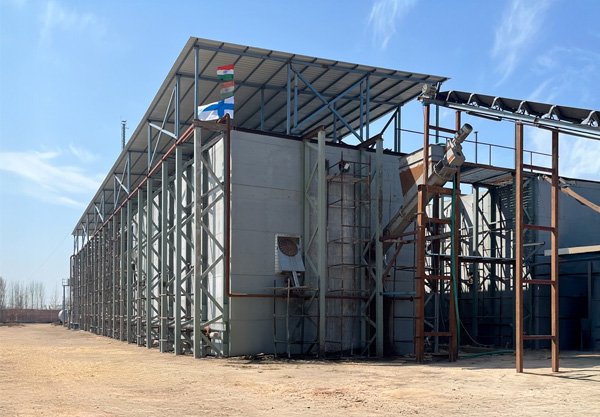
What Is PLUG FLOW Digester Technology?
A PLUG FLOW digester is an anaerobic digestion system that processes suitable organic materials in an oxygen-free environment. Microorganisms break down biodegradable matter and generate biogas for energy applications or further processing into renewable fuel, depending on the plant configuration.
Dry digestion technology can be suitable for organic materials with relatively high solids content. An appropriately designed system may reduce the need for additional dilution water and certain liquid-handling operations.
How Does a PLUG FLOW Digester Work?
The process begins with collecting and assessing suitable organic waste. Depending on the material, preliminary preparation may include sorting, size reduction, mixing, and contaminant removal. The prepared feedstock enters the digester, where biological activity breaks down biodegradable components and produces biogas.
Typical Digestion Process
The resulting digestate can be evaluated for further processing and potential use as an organic soil amendment, subject to applicable standards.
Advanced PLUG FLOW Technology for High-Performance Digestion
Biogas projects must balance processing capacity, energy production, feedstock availability, maintenance requirements, and operating costs. PLUG FLOW digestion offers an option for suitable organic materials, particularly where higher-solids processing is desirable.
High Organic Loading Capacity
Organic loading capacity influences the quantity of material that can be processed within the available digestion volume. A suitable high-solids system may reduce the need to dilute feedstock with large quantities of water. Actual loading capacity depends on feedstock composition, biological requirements, and system design.
Efficient Biogas Production
Biogas output depends on organic content, moisture, contamination, and operating conditions. PLUG FLOW digestion provides a controlled environment for biological conversion, while appropriate feedstock preparation and process monitoring help support stable operation.
Optimized Energy Consumption
Heating, pumping, mixing, material handling, and gas treatment contribute to a biogas plant’s energy requirements. Depending on the configuration, dry digestion may reduce the need for extensive dilution and certain liquid-handling operations.
Reliable Operation and Maintenance
Long-term performance depends on feedstock preparation, process monitoring, equipment accessibility, maintenance planning, and operator training. Gas collection, controls, safety systems, and digestate management should be considered as parts of an integrated facility.
Scalable Project Configuration
PLUG FLOW systems can be evaluated according to processing capacity, feedstock supply, land availability, energy demand, and future expansion plans. Capacity planning should account for seasonal variations and intended biogas utilization.
Multi-Feed Capability for Greater Flexibility
A multi-feed digestion system can be evaluated for compatible combinations of organic materials. This approach can provide flexibility where projects have access to multiple waste streams, provided each feedstock is assessed for composition, moisture, contamination, and process compatibility.
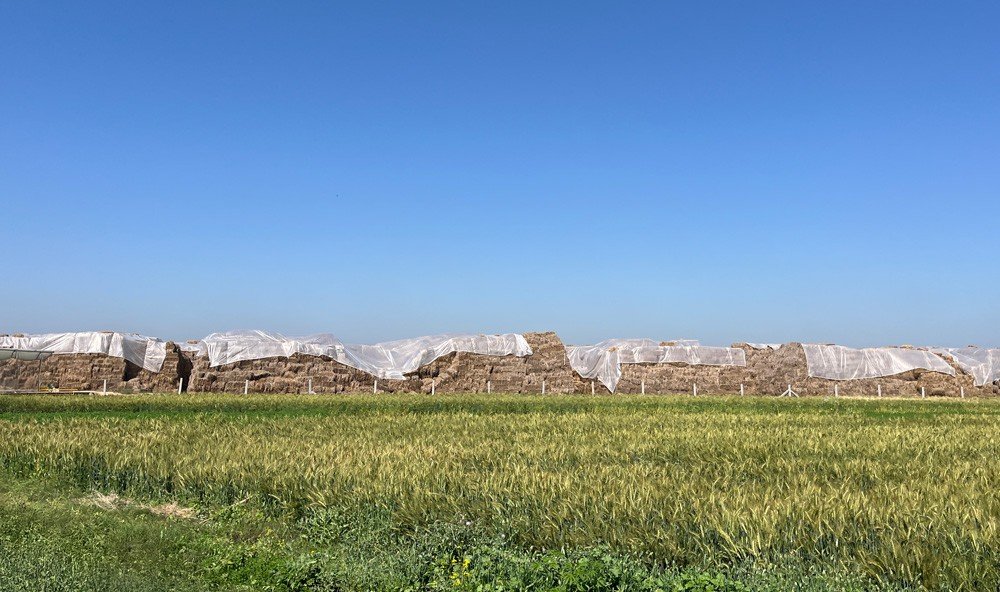
Agricultural Residues and Crop Waste
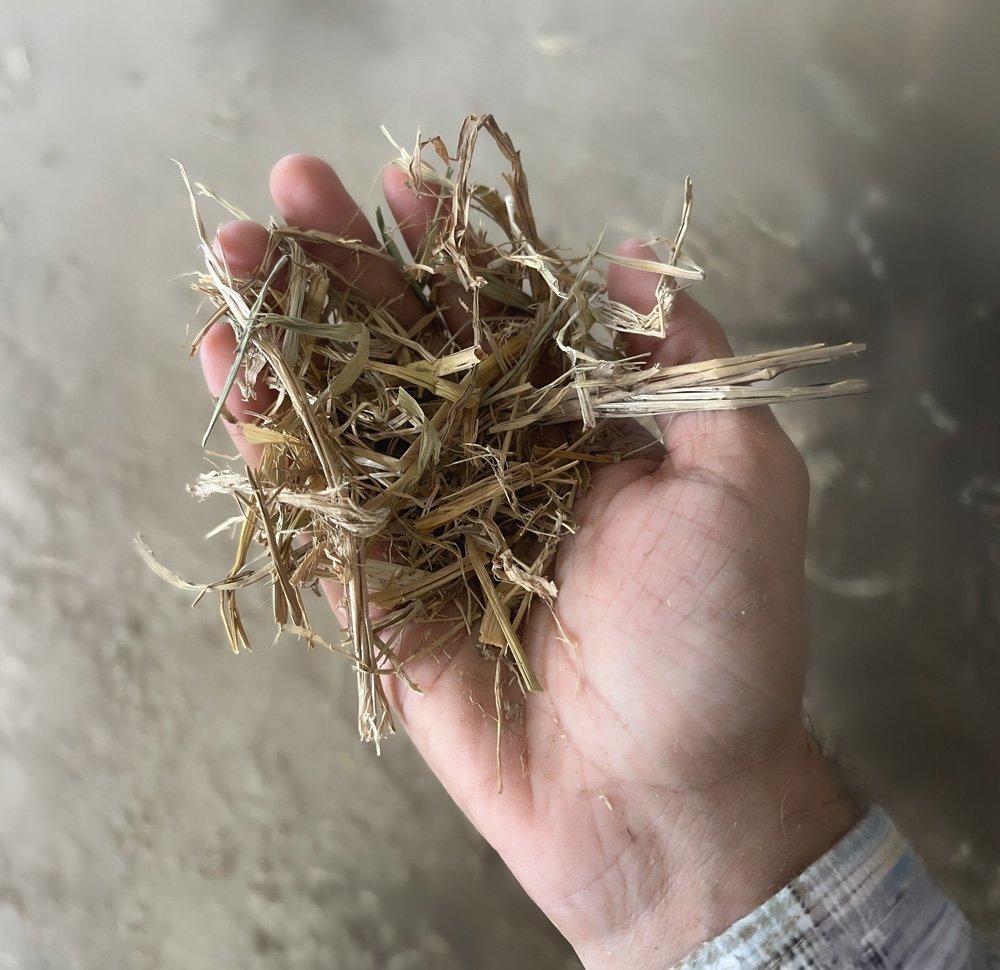
Agricultural activities generate crop stalks, leaves, and other plant residues that may be suitable for anaerobic digestion. Preparation requirements depend on the material’s physical structure, moisture, biodegradability, and the selected process.
Organic Municipal Waste
Municipal waste contains biodegradable materials alongside plastics, metals, glass, and inert substances. Only the suitable organic fraction should be considered for digestion. Effective segregation and preparation help control contamination and support stable plant operation.
Food and Biodegradable Waste
Food processing facilities, commercial kitchens, and markets can generate biodegradable materials suitable for assessment as digestion feedstock. Moisture, fats, proteins, packaging contamination, and acidity can influence biological performance.
Energy Crops and Other Organic Materials
Selected energy crops and other biodegradable materials may be evaluated for digestion. A suitable feedstock mix should be based on availability, composition, preparation requirements, and compatibility with the biological process.
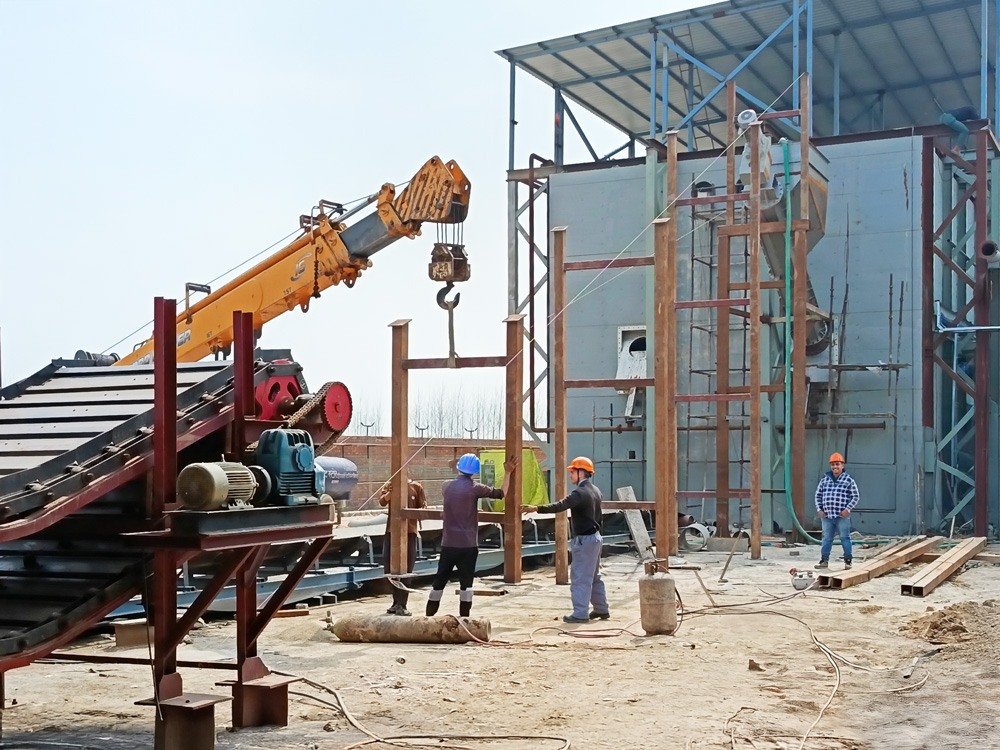
Environmental and Economic Benefits
Improved Waste Resource Utilization
Suitable organic materials that would otherwise require disposal may be used as feedstock for biogas production. This can connect waste management with renewable energy generation while supporting more effective resource utilization.
Potential Reduction in Operating Costs
Project economics depend on capital investment, feedstock costs, energy consumption, staffing, maintenance, gas utilization, and waste management expenses. A project-specific financial assessment is necessary to estimate potential savings and returns.
Renewable Energy Generation
Biogas can be utilized in suitable energy applications after evaluating its composition and the requirements of the intended equipment. Depending on the plant configuration, it may support heat and power generation or undergo further purification and upgrading for CBG production.
Potential Methane Emission Reduction
Diverting suitable organic waste into a properly managed digestion system may help reduce emissions when biogas is captured and utilized effectively. The environmental benefit depends on methane leakage, process energy consumption, and the alternative waste treatment method.
Valuable Digestate Management
Anaerobic digestion produces residual material known as digestate. Depending on feedstock quality and treatment, it may be assessed for further processing and potential use as an organic soil amendment in accordance with applicable standards.
Support for a Circular Economy
PLUG FLOW digestion can connect organic waste management with renewable energy generation and potential recovery of useful residual materials, supporting a circular resource management approach.
Applications of PLUG FLOW Multi-Feed Digesters
Agricultural and Agro-Industrial Projects
Farms, agricultural processors, and agro-industrial facilities may generate biomass and organic residues that can be assessed for digestion. Project planning should evaluate feedstock availability, preparation requirements, and potential integration with existing operations.
Municipal Organic Waste Management
Municipalities and waste management companies may explore anaerobic digestion as part of an integrated biodegradable waste management strategy. Reliable segregation, contamination control, transportation, and consistent feedstock supply are essential.
Food Processing and Commercial Waste
Food manufacturers, markets, and commercial facilities may generate organic residues regularly. A suitable digestion solution can be evaluated according to waste quantity, composition, collection logistics, storage, and seasonal variations.
Renewable Energy and Bio-CBG Projects
PLUG FLOW digestion can be evaluated as part of a renewable gas project. Where Bio-CBG is the intended output, additional systems for gas cleaning, upgrading, and compression are required to meet applicable specifications.
Key Factors Before Selecting a PLUG FLOW Digester
Feedstock Quality and Availability
Feedstock type, quantity, moisture, organic content, contamination, and seasonal availability influence technology selection. A detailed assessment helps establish whether the material is suitable for digestion.
Processing Capacity and Plant Layout
Daily throughput, land availability, storage, material handling, and equipment access affect the overall plant layout. Capacity should be based on realistic feedstock availability and processing requirements.
Biogas Utilization Requirements
The intended use of biogas determines which downstream systems are required. Heat and power applications differ from renewable gas upgrading and CBG production. Gas quality, infrastructure, and applicable standards should be considered during design.
Operational and Maintenance Planning
Consistent operation requires process monitoring, suitable operating procedures, maintenance access, trained personnel, and dependable supplies of feedstock and utilities.
Project Economics and Feasibility
A feasibility assessment should consider installation costs, operating expenditure, energy savings or revenue, feedstock logistics, digestate management, financing, and applicable approvals.
Why Choose CBG Biotech Pvt. Ltd.?
CBG Biotech Pvt. Ltd. offers solutions for organizations exploring organic waste processing, renewable biogas generation, and PLUG FLOW Multi-Feed Digester technology powered by Arciplug®.
Each project should begin with an assessment of feedstock characteristics, processing capacity, site conditions, energy objectives, and operating requirements. These factors help determine the suitability of the digestion technology and the supporting equipment required for the complete plant.
CBG Biotech focuses on helping project developers evaluate solutions aligned with their technical and commercial objectives.
Explore Arciplug® PLUG FLOW Technology
Learn more about the technology on the official Arciplug® website:
Explore Arciplug® PLUG FLOW Technology
Explore Project References
Haryana, India Biogas Plant – View Project Reference
Calimera, Italy MSW Biogas Plant – View Project Reference
Frequently Asked Questions About PLUG FLOW Digesters
What is a PLUG FLOW Multi-Feed Digester?
A PLUG FLOW Multi-Feed Digester is an anaerobic digestion system designed to process suitable organic feedstocks and generate biogas. A multi-feed configuration can accommodate compatible organic materials, subject to system design and feedstock assessment.
Which feedstocks can be used in a PLUG FLOW digester?
Potential feedstocks include selected agricultural residues, crop waste, food waste, suitable biodegradable municipal waste, energy crops, and other compatible organic materials.
Can PLUG FLOW technology be used for Bio-CBG production?
It can be evaluated as part of a Bio-CBG project where the feedstock and digestion process are suitable. Additional gas cleaning, upgrading, and compression systems are required to produce CBG that meets applicable specifications.
What are the main benefits of dry digestion?
Dry digestion can reduce the need for dilution water when processing suitable higher-solids feedstocks. Its overall benefits depend on material characteristics, plant design, and operating conditions.
Can different feedstocks be processed together?
Compatible feedstocks may be considered for a multi-feed system. Their composition, moisture, biodegradability, and potential effects on the biological process must be assessed before blending.
What determines the cost of a PLUG FLOW biogas plant?
Costs depend on processing capacity, feedstock preparation, digester configuration, site conditions, auxiliary equipment, gas treatment, automation, and installation.
What happens to the material after digestion?
The residual material, known as digestate, may be assessed for further processing and potential use as an organic soil amendment, subject to quality and regulatory requirements.
How can I evaluate a PLUG FLOW project?
Document the type and quantity of organic waste available, its moisture and contamination levels, the intended use of biogas, and the site conditions. This information supports a technical and commercial feasibility assessment.
Talk to Our Biogas Experts
Looking to convert suitable organic waste into renewable energy? Contact CBG Biotech Pvt. Ltd. to discuss your feedstock, project capacity, and energy requirements.
Contact CBG Biotech
Phone: +91 9936544312 | +91 9211291016
Email: biotechcbgpvtltd@gmail.com
Website: biotechcbg.com
Discuss Your Project