
CSTR Digester Solutions for Organic Waste
Continuous Stirred-Tank Digestion for Renewable Biogas Production
Organic waste generated by agriculture, food processing, livestock operations, and industrial activities can be a valuable resource for renewable energy production. With suitable anaerobic digestion technology, biodegradable materials can be processed to generate biogas while supporting improved waste management and resource recovery.
CBG Biotech Pvt. Ltd. offers CSTR Digester solutions for suitable organic feedstocks and biogas applications. A Continuous Stirred-Tank Reactor, commonly known as a CSTR digester, is designed to process pumpable organic material through controlled mixing and anaerobic biological treatment.
By maintaining appropriate process conditions and mixing the digester contents, CSTR technology helps bring microorganisms into contact with biodegradable material. The resulting biogas can be evaluated for heat and power applications or further treatment for renewable fuel production, depending on the overall plant configuration.
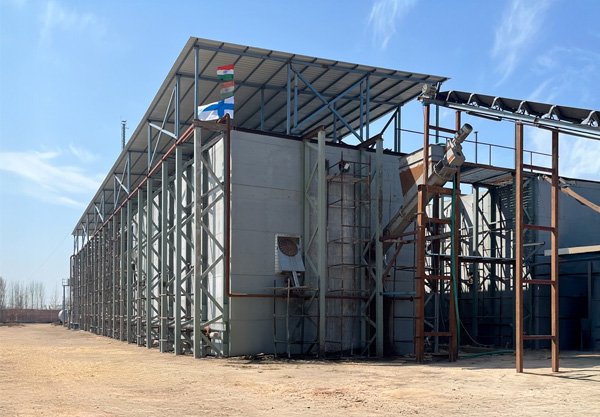
What Is a CSTR Digester?
A Continuous Stirred-Tank Reactor is an anaerobic digestion vessel in which suitable organic feedstock is mixed under controlled conditions to support biological decomposition. The process takes place without oxygen, allowing microorganisms to convert biodegradable organic matter into biogas.
CSTR digesters are commonly considered for pumpable feedstocks that can be prepared and introduced into the reactor as a liquid or slurry. The appropriate feedstock consistency, solids concentration, retention time, temperature, and mixing requirements depend on the selected design and the characteristics of the material being processed.
Unlike a dry digestion system designed for higher-solids materials, a conventional CSTR configuration generally relies on feedstock that can be handled and mixed as a slurry. Selecting the correct technology begins with understanding the organic waste available at the project site.
How Does Continuous Stirred-Tank Digestion Work?
Suitable organic waste is collected and prepared before being introduced into the digester. Inside the reactor, mixing distributes the feedstock and supports contact between microorganisms and biodegradable material. Under appropriate conditions, the biological process produces biogas containing methane, carbon dioxide, and smaller quantities of other gases.
The biogas is collected and directed to suitable gas handling equipment. Depending on its intended application, it may require moisture removal, contaminant treatment, upgrading, or other processing. The remaining digestate is managed according to its characteristics and the requirements of the project.
Typical CSTR Digestion Process
Key Features of CSTR Digester Technology
Continuous Mixing for Process Consistency
Mixing is an important part of CSTR operation because it helps distribute feedstock and microorganisms throughout the reactor. Appropriate mixing can support more uniform process conditions, improve contact between organic material and microorganisms, and help reduce localized accumulation of solids.
The mixing arrangement must be designed according to the viscosity, solids concentration, and other physical properties of the feedstock. Excessive or insufficient mixing can affect process performance and energy consumption, so the operating requirements should be established during system design.
Suitable for Pumpable Organic Feedstocks
CSTR technology is generally suited to organic materials that can be prepared as pumpable liquids or slurries. Depending on the project, potential feedstocks may include suitable food waste slurry, livestock manure, agricultural processing residues, and other biodegradable organic materials.
Feedstock suitability must be assessed before selecting the reactor. Moisture, organic content, solids concentration, contamination, and biodegradability can influence handling requirements and the biological process.
Flexible System Configuration
Every biogas project has different requirements for daily feedstock quantity, gas output, site layout, and downstream energy use. CSTR systems can be evaluated according to these factors to establish an appropriate reactor configuration and supporting equipment arrangement.
Project planning should consider feedstock preparation, storage, pumping, heating where required, gas collection, digestate handling, instrumentation, and process monitoring as part of the complete facility.
Controlled Anaerobic Digestion
Anaerobic digestion depends on maintaining conditions that support the microorganisms responsible for breaking down organic matter. Temperature, pH, organic loading, retention time, and feedstock characteristics can all influence process stability.
Monitoring these operating parameters helps plant operators identify changes in process performance and respond before they become significant operating issues.
Integration with Biogas Treatment Systems
Raw biogas generally contains methane and carbon dioxide, along with moisture and potentially unwanted compounds such as hydrogen sulphide. The treatment required depends on the intended application and the quality of the incoming gas.
A CSTR digester can form part of a larger installation incorporating gas cleaning, upgrading, storage, and energy utilization equipment. For projects targeting Compressed Biogas (CBG), suitable downstream upgrading and compression systems are also required.
Feedstocks Suitable for CSTR Digesters
Feedstock selection is one of the most important steps in planning an anaerobic digestion project. The material must be compatible with the reactor design and capable of being prepared and handled under the proposed operating conditions.
Food and Kitchen Waste
Food processing facilities, commercial kitchens, restaurants, and food distribution operations can generate biodegradable residues suitable for assessment as digestion feedstock. These materials may contain readily biodegradable organic matter, although their composition can vary significantly.
Preparation may involve removing packaging and unwanted contaminants, reducing particle size, and adjusting the feedstock to a suitable consistency. The presence of fats, oils, proteins, and other components should be considered when determining the appropriate loading and operating conditions.
Animal Manure and Livestock Waste
Suitable livestock manure can be considered for anaerobic digestion when its physical and chemical characteristics are compatible with the selected process. Manure management, collection methods, dilution requirements, and the presence of bedding or other contaminants should be assessed during planning.
Using suitable manure in a digestion system can support integrated waste management and biogas generation. The final configuration depends on the quantity and consistency of the available material.
Agricultural and Agro-Industrial Residues
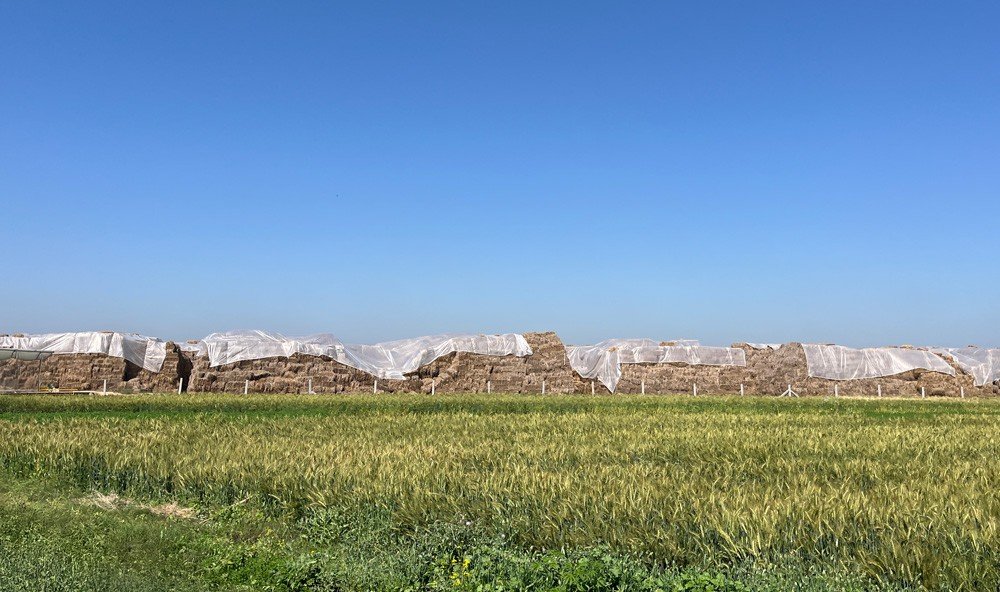
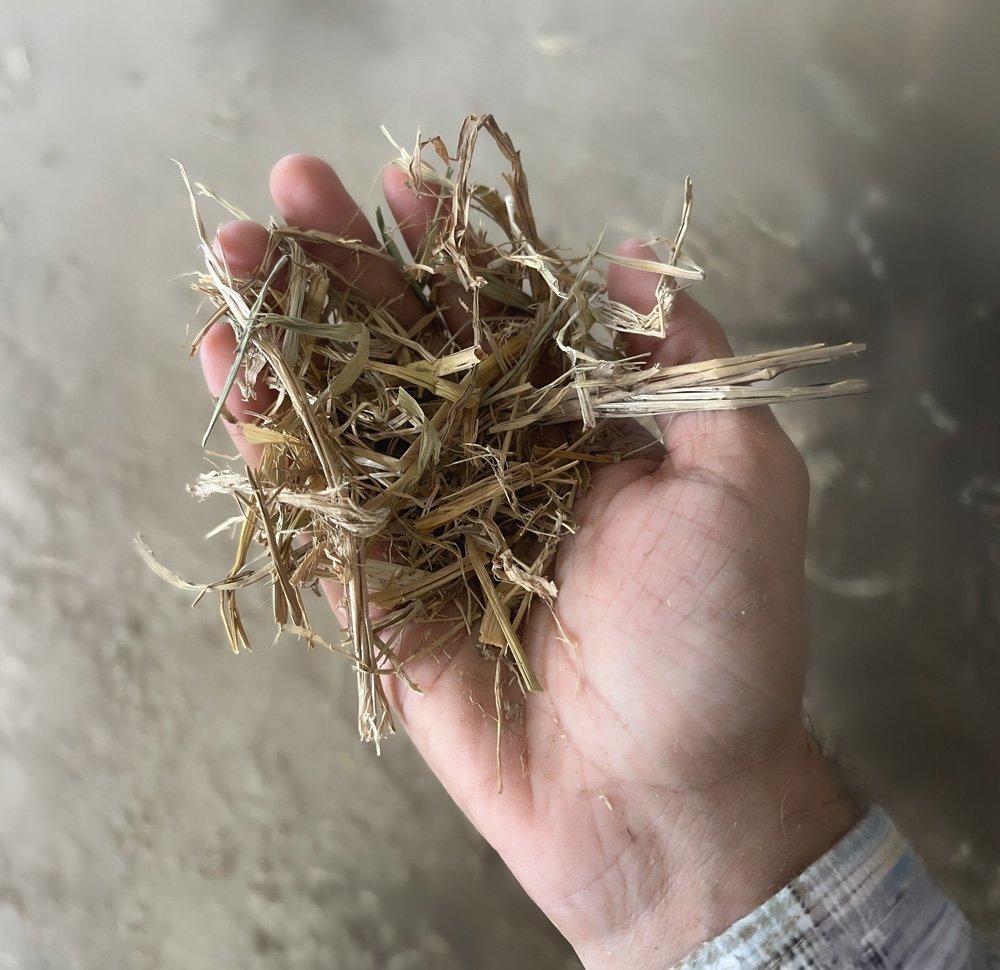
Agricultural processing facilities may generate biodegradable residues and organic slurries that can be evaluated for CSTR digestion. Not every agricultural residue is suitable for a conventional stirred-tank reactor, particularly when the material has a high solids content or a fibrous structure.
Feedstock preparation, blending, or an alternative digestion technology may be required depending on the characteristics of the material.
Organic Industrial Wastewater and Slurries
Certain industries generate biodegradable wastewater and organic slurries that may be suitable for anaerobic treatment. Food processing, beverage production, and other organic-material processing operations may have waste streams worth evaluating.
Before selecting a CSTR system, the wastewater or slurry should be assessed for organic strength, pH, temperature, toxic compounds, suspended solids, and other factors that can influence biological activity.
Environmental and Operational Benefits of CSTR Digestion
Improved Organic Waste Management
Anaerobic digestion provides a potential treatment route for suitable biodegradable waste streams. By processing compatible organic material under controlled conditions, a CSTR installation can connect waste treatment with renewable gas generation.
The overall benefit depends on how the waste would otherwise be managed, the quality of the incoming feedstock, and the performance of the complete facility.
Renewable Biogas Generation
The biological process produces biogas that may be used for suitable energy applications after the necessary gas quality checks and treatment. Depending on the installation, the gas may be used for heat, electricity generation, or further processing into upgraded renewable gas.
Actual production depends on feedstock characteristics, organic loading, operating conditions, and the reactor design. Gas output should therefore be estimated through a project-specific technical assessment.
Potential Energy and Cost Savings
Generating biogas from suitable organic waste may help offset some conventional energy requirements or create opportunities for renewable gas utilization. The financial outcome depends on plant investment, feedstock supply, operating costs, energy demand, and the available gas utilization route.
A feasibility study should evaluate the full operating cost and potential value of the outputs before estimating payback or return on investment.
Digestate Management and Resource Recovery
CSTR digestion produces digestate that may retain nutrients and organic matter from the original feedstock. Depending on its quality and the treatment applied, the digestate may be suitable for further processing and potential use as an organic soil amendment.
Appropriate testing and management are necessary to ensure that the material meets relevant environmental and product requirements.
Support for Integrated Waste-to-Energy Projects
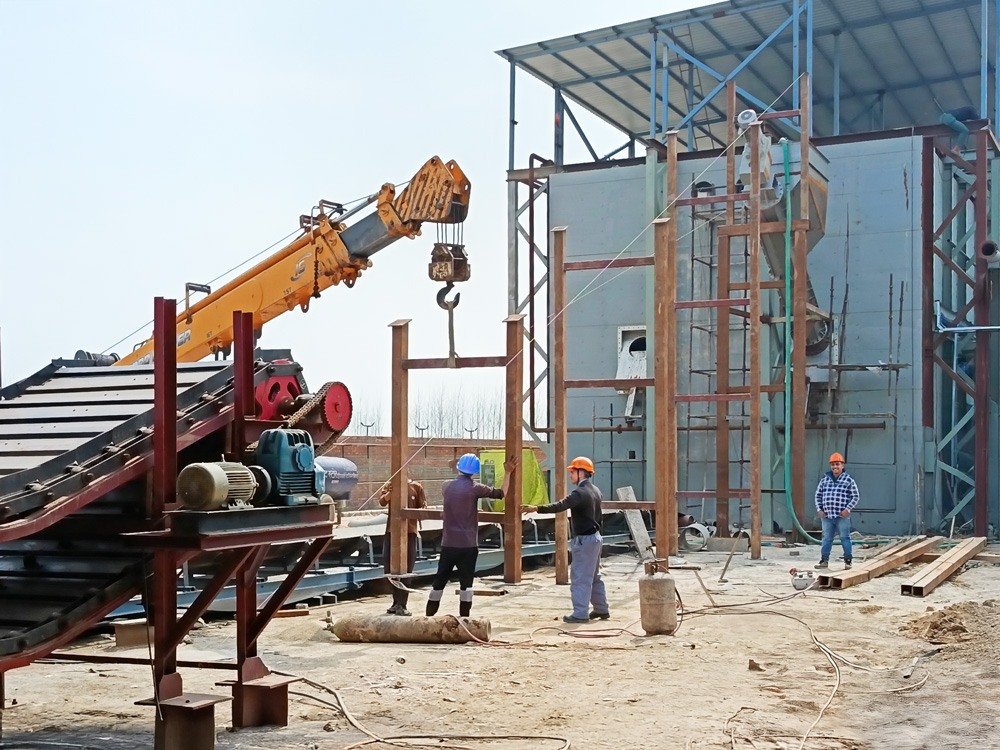
CSTR technology can be incorporated into larger waste-to-energy installations that include feedstock reception, pre-treatment, gas handling, energy conversion, and residual management. An integrated design helps ensure that the reactor works effectively with the equipment before and after digestion.
Applications of CSTR Digester Systems
Food Processing Industries
Food manufacturing and processing facilities may generate biodegradable wastewater, organic slurries, and suitable production residues. A CSTR digester can be evaluated where the waste stream can be prepared and handled under the selected process conditions.
Agricultural and Livestock Operations
Agricultural businesses and livestock facilities may explore anaerobic digestion for suitable manure, organic slurries, and compatible processing residues. Feedstock availability, collection arrangements, and digestate management are important considerations for these projects.
Industrial Wastewater Treatment
Some industrial wastewater streams contain biodegradable organic matter that can be treated through anaerobic processes. A detailed wastewater assessment is essential to establish whether CSTR digestion is suitable or whether another treatment technology would be more appropriate.
Biogas and CBG Production Plants
CSTR digesters may serve as the biological conversion stage in a larger biogas or Bio-CBG plant. The raw gas produced by digestion requires treatment suited to the final application. Where CBG production is intended, the installation must include suitable gas upgrading and compression equipment.
Important Factors When Selecting a CSTR Digester
Feedstock Characterization
The feedstock should be evaluated for quantity, moisture, total solids, organic content, pH, contamination, and biodegradability. This information helps establish whether CSTR digestion is appropriate and whether additional preparation is needed.
Organic Loading and Retention Time
The reactor must be designed around the expected organic loading and the time required for the biological process. These parameters depend on feedstock composition, temperature, process stability, and the desired treatment performance.
Mixing and Temperature Requirements
Mixing equipment and temperature management can influence biological activity, energy use, and operating stability. The requirements should be determined according to the feedstock properties and selected digestion configuration.
Gas Cleaning and Utilization
Raw biogas may require moisture removal and treatment of unwanted compounds before it can be used. Additional upgrading is required when the objective is to produce higher-purity renewable gas or CBG.
Maintenance and Plant Operation
Plant planning should include equipment access, routine inspection, operator training, instrumentation, safety measures, and a maintenance schedule. These considerations help support reliable operation throughout the facility’s service life.
Project Feasibility
The total project assessment should consider installation costs, feedstock logistics, utilities, operating expenses, gas utilization, digestate management, and relevant approvals. This helps determine whether the proposed system is technically and commercially suitable.
Why Choose CBG Biotech Pvt. Ltd.?
CBG Biotech Pvt. Ltd. provides solutions for businesses and project developers exploring anaerobic digestion, renewable biogas generation, and waste-to-energy applications.
Our approach begins with understanding the feedstock, processing capacity, site conditions, energy requirements, and intended use of the generated biogas. These factors help determine the appropriate digestion technology and the supporting systems required for the project.
By evaluating the complete process rather than the digester in isolation, CBG Biotech helps project developers identify relevant technical requirements and plan for feedstock preparation, gas treatment, and digestate management.
Frequently Asked Questions About CSTR Digesters
What does CSTR stand for?
CSTR stands for Continuous Stirred-Tank Reactor. In anaerobic digestion, it refers to a reactor in which suitable organic feedstock is mixed under controlled conditions to support biological decomposition and biogas production.
Which feedstocks are suitable for a CSTR digester?
Potential feedstocks include suitable food waste slurries, livestock manure, biodegradable industrial wastewater, and compatible agricultural or agro-industrial residues. Suitability depends on solids content, composition, contamination, and process requirements.
What is the purpose of mixing in a CSTR?
Mixing helps distribute feedstock and microorganisms throughout the reactor. It supports contact between biodegradable material and microorganisms and can help maintain more uniform process conditions.
Can a CSTR digester produce CBG?
A CSTR can generate raw biogas that may be used as part of a CBG production project. Additional gas cleaning, upgrading, and compression systems are required to produce CBG that meets applicable specifications.
How is a CSTR different from a dry digester?
A conventional CSTR is generally designed for pumpable liquids or slurries, while dry digestion systems are intended for suitable feedstocks with higher solids content. The correct choice depends on feedstock characteristics and project requirements.
What determines the capacity of a CSTR digester?
Capacity depends on feedstock quantity and composition, organic loading, retention time, process conditions, and the intended treatment or gas production objectives. A technical assessment is needed to determine an appropriate design.
What happens to the digestate after digestion?
Digestate is the residual material remaining after anaerobic digestion. It may be evaluated for further treatment and potential use as an organic soil amendment, subject to testing and applicable requirements.
Talk to Our Biogas Experts
Looking to process suitable organic waste and generate renewable biogas? Contact CBG Biotech Pvt. Ltd. to discuss your feedstock, processing capacity, and project requirements.
CBG Biotech Pvt. Ltd.
Phone: +91 9936544312 | +91 9211291016
Email: biotechcbgpvtltd@gmail.com
Website: www.biotechcbg.com
Discuss Your Project