
CBG Biotech Pvt. Ltd. supports biogas and renewable energy projects that convert suitable organic waste into a valuable energy resource. Compressed Biogas (CBG) is produced by upgrading biogas generated from biodegradable materials such as agricultural residues, organic municipal waste, animal waste, and other suitable feedstocks.
Raw biogas contains methane, carbon dioxide, and smaller quantities of other components. During upgrading, carbon dioxide, moisture, hydrogen sulphide, and other impurities are reduced as required. The resulting methane-rich gas is then compressed for storage, transportation, or dispensing in accordance with the relevant quality and safety requirements.
CBG can serve as a renewable alternative to conventional natural gas in suitable applications. Its overall greenhouse gas benefits depend on feedstock sourcing, methane leakage control, energy consumption, processing efficiency, and the fuel it replaces.
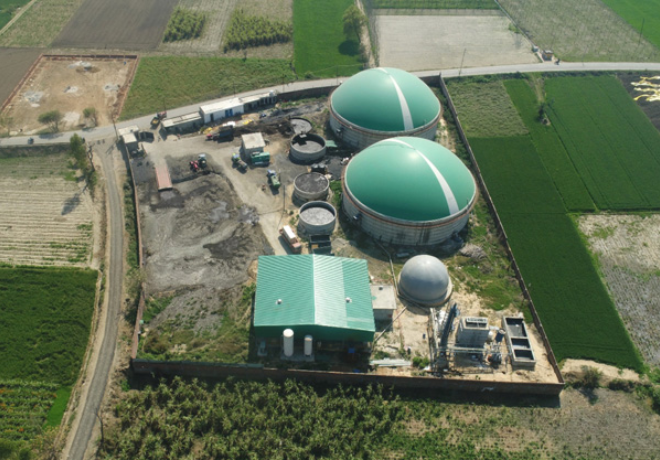
Compressed Biogas is purified biogas that has been compressed to a suitable pressure for storage, transportation, or use in compatible equipment. It consists primarily of methane, with the remaining composition determined by the upgrading process and the applicable product specification.
Unlike raw biogas, which can contain substantial carbon dioxide, moisture, hydrogen sulphide, and other impurities, CBG undergoes gas cleaning and upgrading to meet the quality requirements of its intended application. The purified gas can then be compressed and supplied through an appropriate storage and dispensing system.
CBG is particularly relevant to renewable transport fuel initiatives and projects that recover energy from organic waste. The quality of the finished fuel must be verified against the applicable standards before supply or use.
CBG production involves several connected stages, beginning with the processing of suitable organic materials and ending with the delivery of treated, compressed gas.
Suitable feedstocks may include agricultural residues, animal manure, biodegradable municipal waste, and other approved organic materials. Feedstock preparation depends on its composition and may include sorting, size reduction, mixing, or slurry preparation.
Prepared organic matter is processed in an anaerobic digester under oxygen-free conditions. Microorganisms break down biodegradable compounds and produce raw biogas, which generally contains methane and carbon dioxide alongside moisture and other impurities.
The biogas is collected from the digester and directed to the gas treatment section. Flow, pressure, and gas composition may be monitored to support process control and determine the required treatment stages.
The raw biogas is treated to reduce carbon dioxide and other unwanted components. Depending on the selected technology and incoming gas composition, the treatment train may use water scrubbing, pressure swing adsorption, membrane separation, or other suitable processes.
Moisture and other remaining impurities are controlled to meet the intended product specification. The final gas should be tested using suitable methods to confirm that the required quality limits are achieved.
The upgraded gas is compressed using equipment designed for the intended operating pressure. Suitable storage cylinders, pressure vessels, piping, valves, and safety systems are required for safe handling and dispensing.
Compressed Biogas supplied for a defined application must meet the relevant quality requirements. The supplied project information references Indian Standard IS 16087:2016 and subsequent revisions, where applicable. The current applicable standard and official test methods should be confirmed before finalising a product specification or contractual supply document.
The following table reflects the values supplied for this page. The standard’s official text should be checked before these figures are presented as verified compliance limits.
| Sr. No. | Characteristic | Requirement in Supplied Reference |
|---|---|---|
| 1 | Methane percentage (CH₄), minimum | 90%* |
| 2 | Carbon dioxide (CO₂), maximum | 4% |
| 3 | CO₂ + nitrogen (N₂) + oxygen (O₂), maximum | 10% |
| 4 | Total sulphur, including H₂S | Supplied reference lists 0.5%; unit and value require verification |
| 5 | Total sulphur, including H₂S, maximum | 20 mg/m³ |
| 6 | Moisture, maximum | 5 mg/m³ in supplied reference; verify against the official standard |
*Methane purity: The supplied information also mentions methane purity of up to 97%. The achievable methane concentration depends on the upgrading technology, feed gas, and plant design.
The supplied table contains a sulphur entry expressed as 0.5% and another expressed as 20 mg/m³. These values appear to use different units and should not be treated as equivalent. The moisture value and all other limits should also be checked against the official, current standard and the intended CBG application before publication or use in a supply contract.
CBG production can recover energy from suitable biodegradable materials that might otherwise require disposal or treatment. This links waste management with renewable fuel production.
When upgraded to the required quality, CBG can be used in compatible applications designed for the relevant gas specification and operating pressure. This may include suitable vehicle fuel systems and other approved gas applications.
Biogas plants can process suitable organic waste streams in a controlled digestion process. The remaining digestate may also be evaluated for beneficial use after appropriate treatment and quality checks.
CBG can offer greenhouse gas benefits when it replaces fossil fuel and methane emissions from organic waste are properly managed. The net benefit depends on the feedstock, plant energy consumption, leakage control, gas upgrading efficiency, transport, and final fuel use.
CBG facilities can form part of a wider renewable energy strategy involving waste collection, anaerobic digestion, gas purification, compression, and responsible digestate management.
Compressed biogas must be stored and handled using equipment rated for the design pressure and intended gas service. Cylinders, pressure vessels, piping, regulators, valves, and connections should comply with applicable requirements and be inspected as prescribed.
Liquid carryover and excessive moisture can affect equipment performance and system reliability. Gas drying, filtration, and appropriate monitoring should be selected according to the applicable specification and operating conditions.
CBG is methane-rich and combustible. Equipment layout, leak detection, ventilation, ignition-source control, emergency isolation, and operating procedures are important elements of safe plant design and operation.
Odorisation should follow the relevant requirements for the supply and dispensing arrangement. Gas composition and quality should be checked at appropriate points to verify compliance with the required limits.
CBG Biotech Pvt. Ltd. supports biogas and renewable energy projects involving gas treatment, purification, and resource recovery. The appropriate CBG process depends on feedstock characteristics, raw biogas composition, target fuel quality, production capacity, and the intended storage and use arrangements.
CBG is upgraded biogas that has been compressed for storage, transportation, or use in compatible applications. It consists primarily of methane and must meet the quality requirements relevant to its intended use.
Suitable organic waste is processed through anaerobic digestion to generate raw biogas. The gas is then purified, dried as required, tested for quality, and compressed for delivery.
The required methane concentration depends on the applicable standard and intended use. The supplied reference lists a minimum of 90% and mentions that purity may reach approximately 97%. Actual performance depends on the upgrading system and should be verified by gas analysis.
CBG produced from suitable biodegradable feedstocks is a renewable fuel. Its overall environmental benefit depends on the production pathway, energy consumption, methane leakage control, and the fuel it replaces.
Depending on the applicable specification, quality control may cover carbon dioxide, hydrogen sulphide and other sulphur compounds, moisture, particles, oxygen, nitrogen, and other relevant components.
Controlling moisture helps prevent liquid carryover and supports reliable operation of compression, storage, and dispensing equipment. The required moisture limit should be confirmed from the applicable specification.
CBG can be used in compatible vehicles and fuel systems when the gas meets the required fuel quality and pressure specifications and the equipment is approved for that application.
Plant capacity depends on the availability and characteristics of the feedstock, biogas yield, raw gas composition, upgrading efficiency, operating schedule, and the required product specification.
Contact CBG Biotech Pvt. Ltd. to discuss feedstock availability, biogas purification, target methane concentration, and CBG production requirements.
Phone: +91 9936544312 | +91 9211291016
Email: biotechcbgpvtltd@gmail.com
Contact CBG Biotech