
CBG Biotech Pvt. Ltd. supports sustainable biogas and waste-to-resource solutions that help convert organic waste into useful products. During anaerobic digestion, biodegradable organic materials are processed to produce biogas, while the remaining material, known as digestate, can be evaluated for further treatment and potential use as an organic soil amendment or fertiliser.
Properly processed and quality-tested biogas digestate can return valuable nutrients and organic matter to the soil. Depending on its composition and treatment, it may help improve soil structure, support nutrient retention, and contribute to more efficient organic waste management.
Recovering value from digestate creates an opportunity to connect renewable energy production with agricultural resource recovery. Its suitability for use on land must be established through appropriate testing and compliance with applicable fertiliser and environmental requirements.
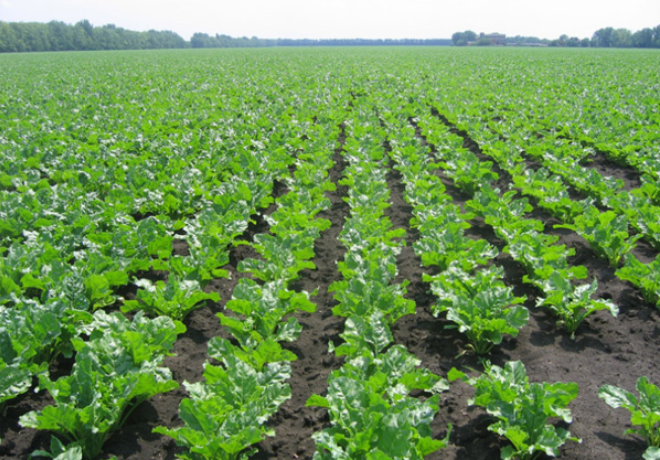
Biogas digestate is the residual material left after organic feedstocks undergo anaerobic digestion. It contains varying amounts of water, organic matter, and plant nutrients, including nitrogen, phosphorus, and potassium. Its composition depends on the feedstock, digestion process, and any separation or treatment applied after digestion.
When digestate is appropriately processed and meets the relevant quality standards, it may be used as a source of nutrients or as a soil amendment. It can support the return of organic matter and nutrients to agricultural soils, helping connect biogas production with resource-efficient farming practices.
Digestate is not automatically suitable for direct application to crops. Its nutrient content, stability, pathogen levels, salinity, and possible contaminants should be assessed before it is marketed or applied to land.
Organic fertiliser production from digestate begins with the anaerobic digestion of suitable organic materials. After biogas is collected, the remaining digestate can be processed according to the intended product, storage conditions, and agricultural application requirements.
Organic materials are treated in an oxygen-free digester. Microorganisms break down biodegradable matter and generate biogas, which can be collected for energy recovery or further purification. The residual digestate retains nutrients and remaining organic material.
The digestate is collected and assessed for moisture content, nutrient composition, stability, and potential contaminants. Testing helps determine the appropriate treatment route and whether the material is suitable for the intended use.
Where appropriate, digestate can be separated into solid and liquid fractions. The solid fraction may be considered for further stabilisation, composting, or other processing, while the liquid fraction may be managed for nutrient recovery, controlled application, or further treatment.
Depending on the target product, additional processing may include dewatering, composting, drying, or other approved treatment methods. The selected process should address the material’s moisture, stability, storage, transport, and product quality requirements.
Before the final product is supplied for agricultural use, it should be assessed against the applicable standards. Nutrient content, organic matter, pathogens, heavy metals, salinity, and other relevant parameters may need to be tested based on the feedstock and intended application.
Organic materials can help improve soil structure when applied appropriately. Depending on soil type and product composition, organic amendments may support aggregation, aeration, and conditions that encourage healthy root development.
Organic matter can improve the soil’s ability to retain water and nutrients. This may help support plant growth, especially when organic amendments are used as part of a balanced soil fertility programme.
Organic fertilisers may supply nutrients such as nitrogen, phosphorus, and potassium. The amount available to plants depends on the product’s composition, nutrient form, soil conditions, and the rate and timing of application.
Recovering nutrients from biogas digestate provides a potential productive use for the residual material from anaerobic digestion. This can reduce the amount of organic residue requiring disposal when the material is properly processed and suitable for reuse.
Organic fertiliser can be included in an integrated nutrient management plan alongside other approved soil amendments and fertilisers. Soil testing and crop requirements should guide application rates to avoid nutrient deficiencies or excessive nutrient application.
Organic fertilisers can influence soil properties by supplying organic matter and nutrients. The effect depends on the product’s composition, application rate, existing soil conditions, crop type, and repeated use over time.
Organic amendments may contribute to soil organic matter, which plays a role in soil structure, moisture management, and biological activity. The actual change in soil organic matter depends on the amount and stability of the material applied and the rate at which it decomposes.
Digestate may contain nitrogen and phosphorus that contribute to crop nutrition. However, nutrient availability varies with feedstock and processing. Application should be guided by laboratory analysis, soil testing, crop nutrient demand, and local requirements.
Suitable organic amendments can provide substrates and nutrients that support soil biological processes. Product stability and quality are important, as poorly treated material may introduce pathogens, contaminants, or other unwanted effects.
Digestate quality varies according to the feedstock and treatment process. Claims about improvements in soil organic matter, nitrogen, or phosphorus should be supported by reliable test data and clearly defined application conditions. Use only material that meets applicable quality, safety, and regulatory requirements.
Where it meets the relevant quality standards, processed digestate may be considered for a variety of agricultural and soil improvement applications.
The final use depends on nutrient analysis, crop requirements, soil characteristics, product processing, and applicable local rules. Digestate should not be described as suitable for certified organic farming unless it meets the relevant certification and input requirements.
A soil conditioner is used primarily to improve physical or biological soil properties, while a fertiliser is intended to supply plant nutrients. Depending on its composition and processing, biogas digestate may provide both functions, but the relative benefit should be established through testing.
When properly processed and applied at suitable rates, an organic amendment may help improve soil aggregation, support water retention, and contribute nutrients. The best results are generally achieved when the product is used as part of a wider soil management programme based on crop needs and soil analysis.
The materials entering a digester influence the quality of the resulting digestate. Feedstocks that may contain industrial chemicals, heavy metals, persistent pollutants, or other contaminants require careful assessment and appropriate controls.
Anaerobic digestion does not guarantee the elimination of all pathogens or contaminants. Where required, additional hygienisation or treatment should be used, and the final product should be tested against the relevant standards.
Digestate should be stored and handled in a manner that limits uncontrolled runoff, odour, nutrient losses, and environmental contamination. Storage and application procedures should comply with local environmental requirements.
Application rates should reflect the nutrient content of the product, crop requirements, soil test results, and any applicable limits. Excessive application can contribute to nutrient runoff, groundwater contamination, or nutrient imbalances.
CBG Biotech Pvt. Ltd. supports biogas and waste-to-resource projects that aim to make productive use of organic materials. Digestate management is an important part of the overall process because it helps determine whether the residual material can be safely processed and reused.
It is a product made from the residual material left after anaerobic digestion of organic waste. Depending on its composition and treatment, it may provide organic matter and nutrients for suitable agricultural applications.
Properly processed digestate may contribute organic matter and nutrients that support soil structure and fertility. The benefits depend on product quality, soil conditions, crop requirements, and application rates.
Digestate can contain nitrogen, phosphorus, potassium, and other nutrients. The actual nutrient concentration and availability vary with feedstock and processing, so laboratory testing is important.
Not all digestate is suitable for direct application. It should be assessed for nutrient content, stability, pathogens, contaminants, and compliance with applicable rules before agricultural use.
Organic matter can improve water retention in some soils. The extent of improvement depends on the soil type, the composition of the amendment, and the amount applied.
Not necessarily. Nutrient content and availability vary among organic products. Soil testing and crop nutrient requirements should guide whether organic fertiliser can replace or supplement other nutrient sources.
Depending on the feedstock and local rules, testing may include moisture, organic matter, nitrogen, phosphorus, potassium, pH, salinity, pathogens, and relevant heavy metals or contaminants.
It can return nutrients from suitable organic waste streams to the soil, connecting biogas production with agricultural resource recovery and helping reduce the amount of residual material requiring disposal.
Contact CBG Biotech Pvt. Ltd. to discuss biogas residue management, organic waste recovery, and potential digestate processing options for your project.
Phone: +91 9936544312 | +91 9211291016
Email: biotechcbgpvtltd@gmail.com
Contact CBG Biotech